Five Questions to Ask a Tumbler Manufacturer Before You Place Your First Order
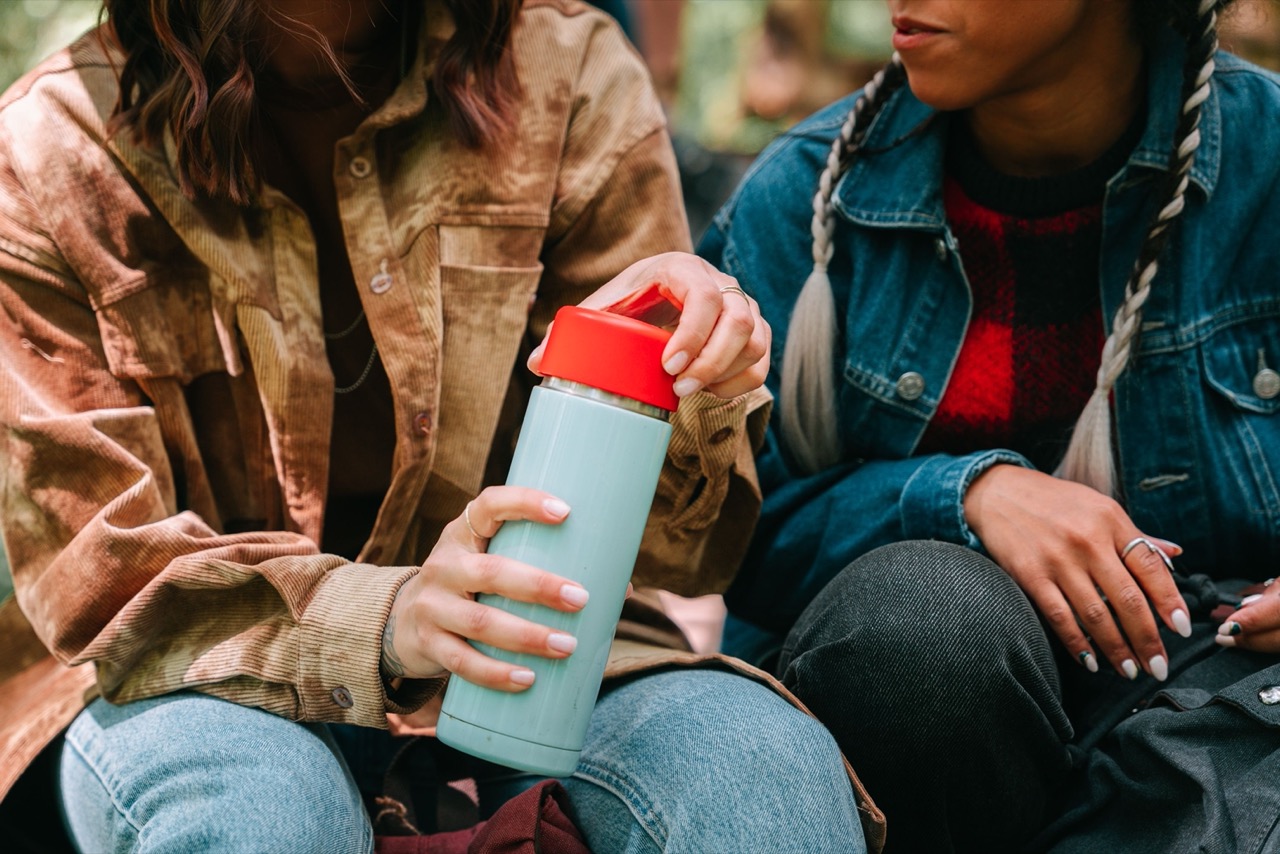
The first order with a new tumbler manufacturer is always the highest-risk order. You don’t have a track record with them yet, you’re working from samples rather than production batches, and you’re trusting claims you haven’t had the chance to verify. Most of the problems that show up in that first order — inconsistent finish, lids that don’t seal reliably, insulation that underperforms — are things that better questions upfront would have predicted.
These are the five questions I’d ask before committing.
1. Is This Your Own Factory, or Are You a Trading Company?
This sounds like it might offend someone, but reputable manufacturers don’t get offended by it. They answer it directly because they have nothing to hide.
The distinction matters for practical reasons. A manufacturer who owns the factory has direct control over the production process. They can adjust specifications, investigate quality issues at the source, and give you accurate timelines because they know what’s actually happening on the floor. A trading company is placing your order with a factory you may never have visibility into, adding a margin, and communicating second-hand information about a production process they don’t control.
Trading companies aren’t automatically bad — some provide genuinely useful services like quality management and logistics consolidation. But you should know which one you’re dealing with so you understand what you’re actually buying.
Ask: Can you share your factory registration documents? Can I visit the facility? A manufacturer with their own factory will say yes to both without hesitation.
2. How Do You Verify the Vacuum Seal Across Production Batches?
The vacuum seal is the single most important manufacturing variable in a double-wall insulated tumbler. It’s also the hardest to verify after the fact because once the two walls are sealed together, you can’t inspect the vacuum layer without destroying the product.
A good manufacturer has a process for verifying seal integrity at the production level — not just a quality check on finished goods but actual in-process verification that the vacuum was achieved properly. The standard test is temperature retention: fill a sample from each batch with boiling water and check the temperature at 6 hours and 12 hours. A properly sealed tumbler retains heat significantly above ambient at 12 hours.
Ask your manufacturer: what is your process for vacuum seal verification across production batches, not just on samples? How many units from each batch do you test? What happens when a batch fails?
The answer tells you whether they have a systematic process or whether “quality control” means checking a unit or two and hoping the rest are fine. The distinction shows up in the field.
3. What Certifications Do You Hold, and Can I See the Actual Documents?
Every market you’re selling into has regulatory requirements for food-contact products, and “we’re certified” means nothing without documentation.
For the US market, the relevant baseline is FDA 21 CFR compliance on food-contact materials — the interior steel and any coatings on the interior surface. LFGB certification (the German food safety standard) is the most commonly cited international benchmark and is widely accepted as a quality proxy for EU markets. If you’re selling into Japan, the Food Sanitation Act has its own requirements for stainless steel products.
A manufacturer with real certifications can produce the actual certificate — not a scan of a scan, not a list of certification numbers, but a certificate with an issuing body, a certificate number, and an expiry date that you can verify through the issuing body’s website or database.
If a manufacturer hesitates, says the documents are “being renewed,” or provides certificates that can’t be verified, that tells you something. Current, verifiable certificates from accredited laboratories are a baseline requirement, not an optional extra.
4. What Is Your Defect Rate, and Can You Share Data From Recent Production Runs?
Most manufacturers will tell you their defect rate is low. The useful question is whether they can show you numbers rather than just tell you.
Good manufacturers track defect rates systematically because it’s how they manage production quality. They have data from recent runs, they know what their acceptable quality level is, and they can tell you what the most common defect categories are. They’ll share this without much resistance because their numbers are good and they know it reflects well on them.
Manufacturers who don’t track defect rates systematically, or who track them but won’t share the data, are giving you useful information about how they operate. “We have very low defects” with no numbers behind it is not a quality control system — it’s a sales pitch.
Ask specifically for defect rate data from the last three production runs of products similar to what you’re ordering. The categories that matter most for tumblers: lid seal failures, finish adhesion failures, and vacuum insulation failures (which show up as units that fail temperature retention testing). If they can give you those numbers, you have real signal about what you can expect.
5. How Have You Handled a Quality Problem With a Previous Customer?
This is the question most buyers never ask, and it’s one of the most predictive ones available.
Every manufacturer has had a quality problem at some point. The ones who are good to work with have handled those problems professionally — they identified the cause, communicated with the customer, and made it right. The ones who aren’t have deflected, blamed the customer, or disappeared.
Ask for a specific example of a quality issue that came up with a customer and how it was resolved. A manufacturer with a good track record can give you a real answer. They’ll describe what happened, what they found when they investigated, and what they did to make the customer whole. Vague answers about “always prioritizing customer satisfaction” without a specific example are a warning sign.
This question also implicitly tells the manufacturer that you understand quality issues happen and you’re not looking for a partner who pretends they don’t — you’re looking for one who handles them well when they do.
These five questions won’t eliminate all risk from a new supplier relationship, but they’ll filter out a significant percentage of the problems before they happen. A reliable tumbler manufacturer answers all five without deflection, hesitation, or vague generalities.
The ones who can’t, or won’t, are telling you what your first production run will look like before you place the order.