How to Launch a Private-Label Tent Line with an ODM Tent Manufacturer
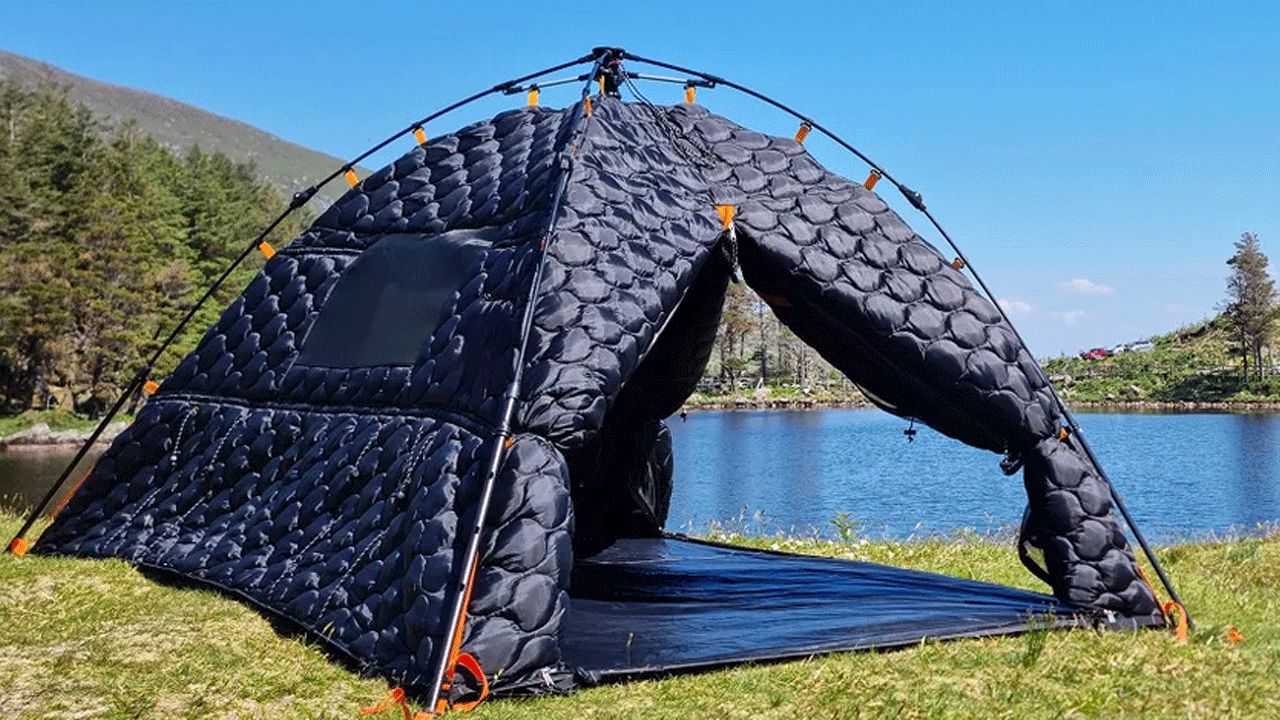
Starting a tent brand involves more than choosing a product and logo; buyers must ensure structural integrity, fabric performance, weather resistance, and durability. A private-label tent line needs to be a quality performer in the field and present a brand identity. This is where working with an ODM tent manufacturer is practical, as they can leverage existing engineering systems and modify them into a market-ready product without having to develop it from scratch.
Defining the Product Direction First
Before production starts, brands must decide what type of tents they would like to sell. There are various family tents, glamping tents, rooftop tents, and lightweight hiking tents, each suited to different purposes. If there is a clear direction, there is no need for unnecessary redesign later on. Typically, suppliers like Everich start ODM projects by mapping product use to pre-test structures that are used in outdoor settings.
Understanding ODM vs Standard Manufacturing
ODM production is when the manufacturer can not only design the product, but also produce it. In addition to production-by-order, ODM also includes structural planning, material selection, and usability adjustments. This can help when brands venture into platforms such as Amazon, where aesthetics are only part of the equation; it’s more about consistency and function. Many ODM tent suppliers and wholesale buyers are looking to ODM to reduce development time while producing a completely one-of-a-kind product line.
Material Selection as a Core Decision
The type of fabric selected during construction will greatly impact the tent’s efficiency. Polyester is the most efficient fabric for constructing lightweight travel tents, as it is very durable and affordable. At the same time, poly cottons allow for good ventilation but are heavy; Oxford is very durable and can withstand tough conditions. Nylon is also light and durable, but requires treatment.
Waterproofing & Coating Systems
Fabric alone is not water-resistant. The waterproof coatings most commonly used for outdoor tents are the TPU or silicone layers. These coatings are able to fill the spaces between the fibers and make them more durable in wet conditions. When it comes to OEM custom camping tent manufacturing, coatings are matched to the climate, whether it be a humid coastal area or a dry high-altitude site.
Structural Design and Wind Performance
The tent structure determines how well it handles wind and load pressure. Dome designs distribute force evenly, while tunnel structures offer more interior space but require stronger anchoring. Inflatable tents eliminate traditional poles but rely on air-chamber stability. Engineering teams, such as those in Everich’s R&D department, convert design inputs into structural models that are tested for stability before production begins.
Turning Ideas into Technical Drawings
The next important process in ODM is translating ideas into usable files. They support JPG, AI, CDR, and PDF file formats, which will be used to generate technical illustrations of the frame, material sections, and sewing lines.
Prototyping and Functional Testing
After obtaining permission from the design illustrations, prototype models are produced and tested. These samples are checked for water resistance, wind stability, zipper durability, and setup speed. Adjustments are made if issues appear during real-world simulation. This stage is important for private-label tent factory buyers because it prevents the large-scale production of designs that may fail in outdoor use.
Branding Without Structural Risk
Private-label development allows branding without changing core engineering safety. Logos, color schemes, and fabric tones can be adjusted while maintaining tested structural frameworks. This helps brands build identity while relying on proven construction. In ODM systems, Everich integrates branding elements directly into production plans to avoid interference with tent performance.
MOQ and Production Planning
Minimum order quantity plays a major role in launching a new tent line. Standard ODM tent projects often start around 500 units per SKU, depending on design complexity. This allows brands to test market response without large financial risk. Production timelines are usually planned in advance to align with seasonal outdoor demand.
Quality Control Across Production Stages
Tent manufacturing involves multiple steps, including fabric inspection, cutting, stitching, and assembly. Each stage affects final performance. Consistent quality checks are used to ensure uniform output across all units. This is especially important for OEM custom camping tent orders that are sold under a single brand name across different markets.
Conclusion
Launching a private-label tent line requires more than visual design. It depends on material selection, structural engineering, prototyping, and controlled production planning. The use of an ODM tent brand ensures the brand can focus on positioning while leaving the production process to proven procedures. Every step, from design to packaging, affects outdoor product performance. With help from manufacturers like Everich, this is achievable.